Rituals
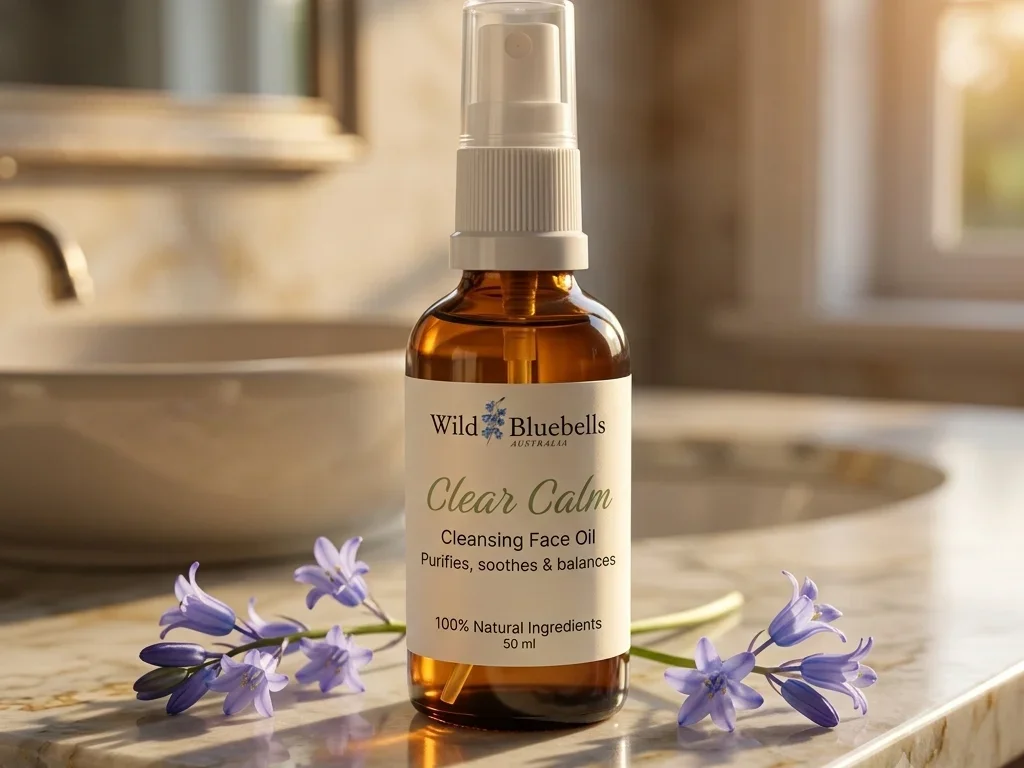
Why cleanse with oil?
Why oil lifts sunscreen, make-up and the oil your skin makes, how to cleanse twice with the same oil, and the small mistakes that leave a greasy film behind.
Skin types
How to tell sensitive, dry and combination skin apart, which oils suit each and why, and how to press a face oil into damp skin so it sinks in.

A face oil is one of the simplest things you can add to your day, and one of the easiest to choose badly. An oil that is too rich can leave combination skin feeling heavy by lunchtime. One that is too light can leave dry skin feeling tight again by evening. You do not need a long routine or a test kit to choose well. You need a clean face, a few quiet minutes and a little honesty about how your skin behaves.
Wash with a gentle cleanser, pat dry and put nothing else on. Then notice how your face looks and feels over the next hour or so.
Your skin may not fit one box neatly, and it can shift with the seasons. Choose for how it feels now, not how it felt last winter. Still not sure? Take our Skin Check to find your skin type.
Plant oils are not all alike. In a 2018 review of plant oils on skin, Lin, Zhong and Santiago found that oils rich in linoleic acid help keep the water barrier of the skin in good order, while oils high in oleic acid can make that barrier more permeable. They also note that jojoba is mostly wax esters rather than a true oil, and that it holds up unusually well against going rancid. That is why we build each blend on light, skin-friendly oils first and add richer ones only where the skin asks for them.

When skin reacts easily, fewer ingredients means fewer surprises. DermNet notes that sensitive skin is usually responding to something put on it, and that the kindest everyday care is a soap-free cleanser, a non-irritating moisturiser and steering clear of whatever sets it off.
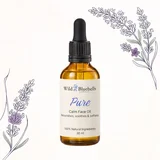
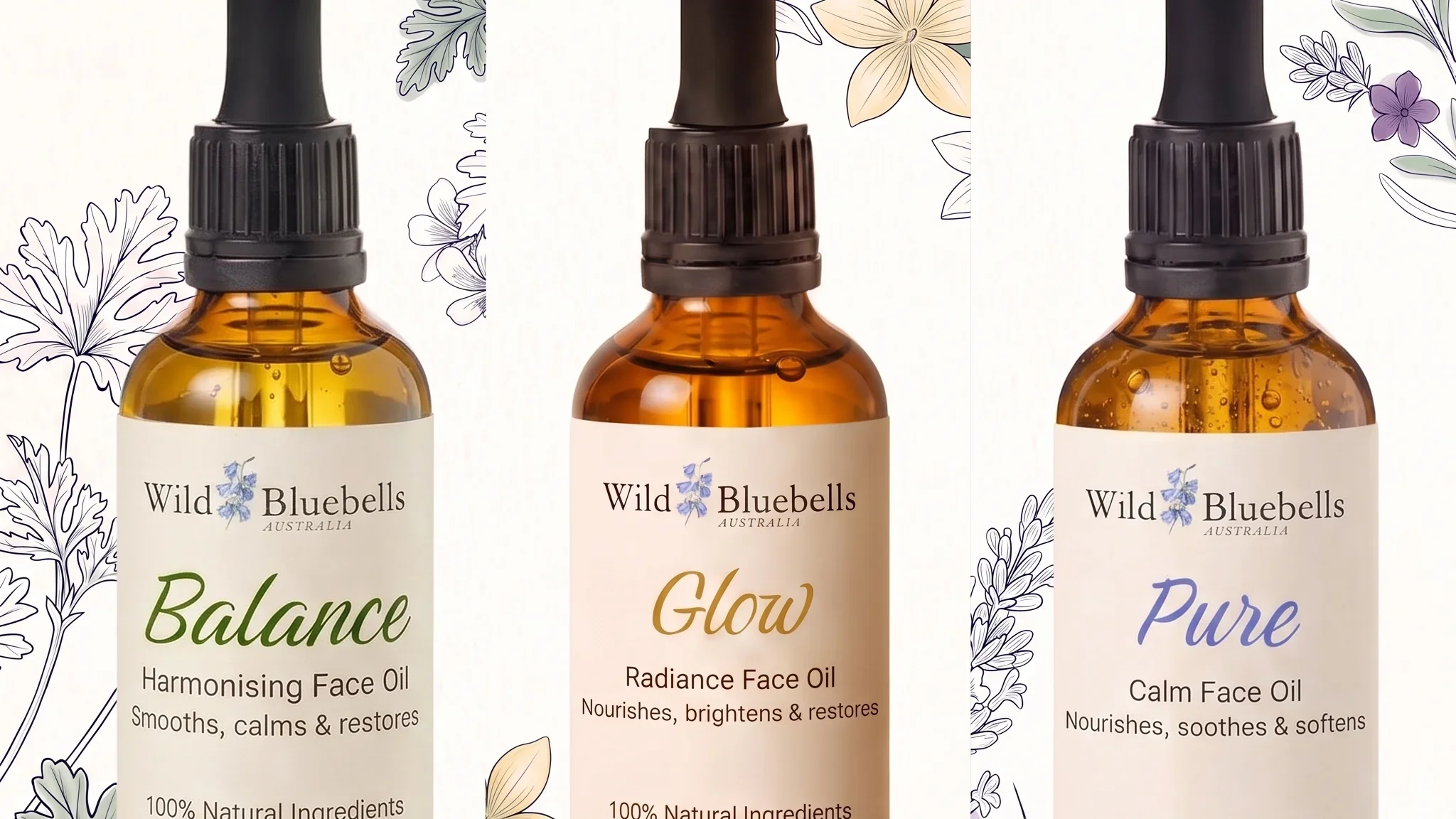
PURE Calm Face Oil is our shortest formula. It rests on light camellia seed oil and jojoba, with silky olive squalane and a little rosehip seed oil. A soft trace of Roman chamomile, lavender and frankincense gives it a quiet, herbal scent. It absorbs easily, leaves no greasy film and suits a minimal routine, which is what sensitive skin tends to like best.
Even gentle botanicals can disagree with very reactive skin, so patch test PURE before you use it all over. There is a simple way to do that at the end of this entry.

DermNet describes dry skin as feeling dry to the touch and looking dull and rough. It points to low humidity, air conditioning, frequent bathing and harsh soaps as everyday culprits, and recommends moisturising generously, ideally while the skin is still damp.
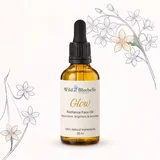
GLOW Radiance Face Oil is our most nourishing face oil. Rosehip seed oil is rich in linoleic and alpha-linolenic acids and carries natural tocopherols and carotenoids, a mix Lin and colleagues highlight in their review. Marula and raspberry seed oil give it a cushioned, silky feel, and olive squalane keeps it from sitting heavy. A floral note of jasmine and rose geranium makes it a pleasure to use at night. Skin is left soft and supple, with a healthy-looking glow rather than a shine.

It can feel strange to put oil on skin that already shines. In our experience, combination skin does best with a light oil used sparingly, not with no oil at all. The trick is choosing oils that absorb quickly and leave no film across the forehead and nose.
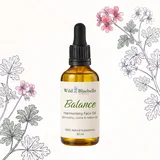
BALANCE Harmonising Face Oil leads with jojoba, the liquid wax, which feels light and settles without a greasy finish. Camellia, rosehip and baobab keep drier cheeks comfortable. Earthy vetiver, fresh bergamot and a clean note of Australian tea tree give it a grounded scent. Press most of the oil into your cheeks first, then smooth only what is left across the shinier middle of your face.
Every skin is different, and natural ingredients, essential oils included, can still disagree with yours. The American Academy of Dermatology suggests a simple test: apply the product to a small spot where it will not be washed off, such as the inside of your elbow, twice a day for seven to ten days. If the spot stays calm, go ahead. If it turns red, itchy or swollen, wash it off and stop using it.
Still not sure which oil is yours? Our skin quiz asks a few short questions and suggests a match. And if your skin worries you, a dermatologist or your doctor is the right person to ask.
Rituals
Why oil lifts sunscreen, make-up and the oil your skin makes, how to cleanse twice with the same oil, and the small mistakes that leave a greasy film behind.